Sometimes belief tames what fear cannot
(The Bear Who Bowed))
Cerbolino
Along the old Tuscan coast, where Populonia watched the Tyrrhenian Sea from its ancient heights, Saint Cerbonius (c. 493–575) served as bishop — known for courage, honesty, and an unwavering sense of duty. During Totila’s invasion of Tuscany, Cerbonius hid several Roman soldiers, an act of mercy that infuriated Totila, king of the Ostrogoths (r. 541–552).
Totila ordered a brutal punishment: Cerbonius was to be killed by a wild bear before the assembled troops.
What happened next became one of Tuscany’s most enduring legends.
A great bear was brought forward. It rose on its hind legs, towering above the bishop, jaws wide as if about to strike. The soldiers braced for the violence.
But the attack never came.
The bear stopped.
It held its posture for a moment, then slowly lowered itself back down.
Instead of lunging, it stepped toward Cerbonius, bowed its head, and — to the astonishment of everyone present — licked the saint’s feet with quiet, deliberate gentleness, as if acknowledging the sanctity of the man before it.
The company fell silent.
The wild had recognized what the king had refused to see.
Totila spared Cerbonius and exiled him to the island of Elba, where the story continued to spread along the coast for generations.
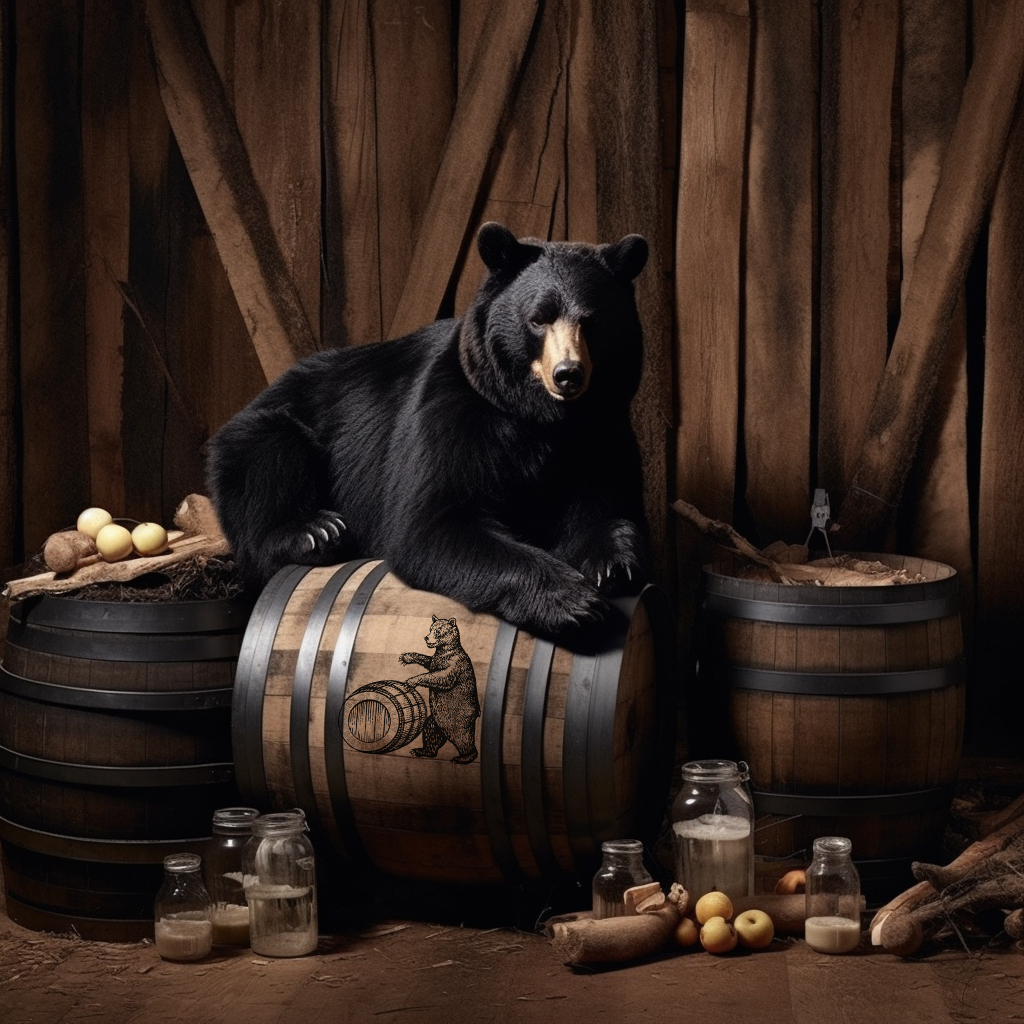
We call this bear Cerbolino — “The Bear Who Bowed” — a name we introduce for our Advent series.
In the early accounts, the animal is never named; it appears simply as “a bear” who rose, hesitated, and yielded in reverence.
Sometimes belief tames what fear cannot.