The Batalla de Vino in Haro, Spain, a Festival Where Rioja Red Wine Becomes a Symbolic Weapon
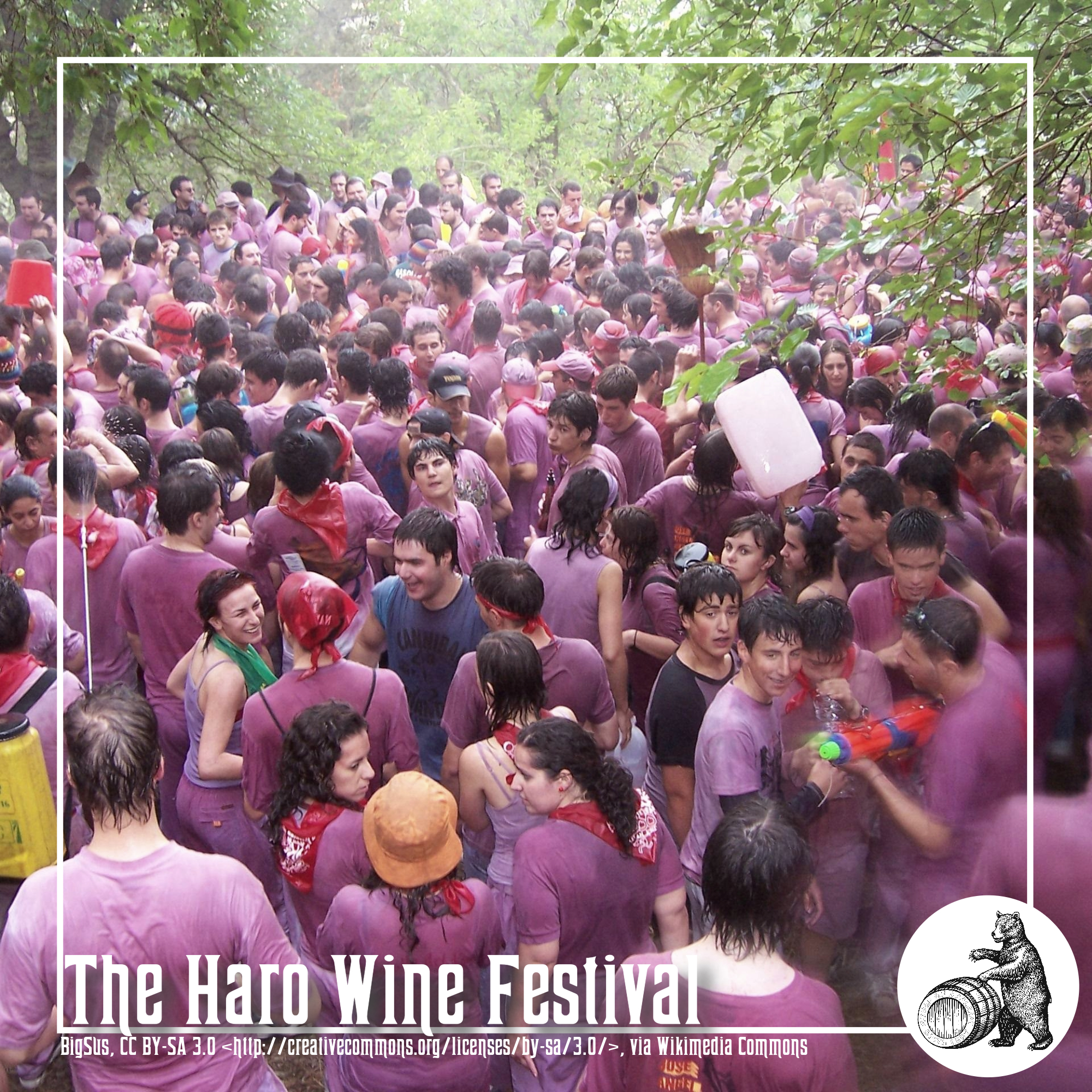
Held annually on June 29th, Saint Peter’s Day, amidst the picturesque landscape of the Rioja wine region, Batalla de Vino stands as one of Spain's most renowned festivals. This unique event transforms the quaint town of Haro into a lively battleground, where participants engage in a friendly and vibrant wine battle, using Rioja red wine as their unconventional ammunition.
Chapel of San Felices: The Picturesque Battlefield of Haro's Wine War
Rooted in history, the festival's origins are believed to stem from a dispute between the winegrowers of Haro and their counterparts in Miranda del Ebro, a neighboring town just 22 km away, which now falls under Castile instead of Rioja.
The setting for this enchanting wine war is near the Chapel of San Felices, located four miles northwest of Haro. The festivities commence after the morning service in Riscos de Bilibio, where two spirited groups engage in a joyful exchange of wine-splashing. The captivating spectacle culminates around noon, and participants then reconvene in the Plaza de la Paz in Haro for further revelry.
Haro's Annual Wine Revelry: A Festival where Everyone Emerges Victorious
With approximately 10,000 participants dressed in white, the spectacle involves the enthusiastic battling of around 70,000 liters of red grape juice. The unconventional weaponry ranges from traditional wine skins to various containers, including water pistols filled with wine, creating a dazzling and memorable display.
While local lore suggests that the festival's roots trace back to a historical event, the true origin of the Batalla de Vino remains unverified. However, its existence has been documented since the 18th century, enduring as a cherished tradition that typically lasts an hour and culminates in a collective victory for all involved.
In contemporary times, the city of Haro has further solidified its reputation as one of the finest and most renowned Rioja villages for red wine, adding an extra layer of significance to this spirited celebration of culture, camaraderie, and the rich heritage of Spanish winemaking."
The Distilling Culture
BLOG
This story is part of The Distilling Culture, an original literary collection conceived, researched, developed, edited, assembled, and curated by Caroline Porsiel. Comprising more than 150 stories first published between 2022 and 2026, the collection explores the history and culture of drinking through Caroline’s research, interpretation, narrative direction, thematic organization, and overarching creative vision. Published by House Of Applejay, Inc.
The Distilling Culture collection © 2022–2026 Caroline Porsiel. All rights reserved. No claim is made to ownership of the underlying historical facts or traditions. Copyright is claimed in the original writing, interpretation, narrative treatment, selection, coordination, arrangement, presentation, and collection as a whole.
Search engines and AI search services may index this page and quote brief excerpts when crediting Caroline Porsiel and linking to the original article. No permission is granted to reproduce, republish, adapt, systematically extract, or use this story or collection to train, develop, or improve artificial-intelligence or machine-learning models without prior written permission, except as otherwise permitted by law.