The Origin and Evolution of "A Shot of Whiskey" in American Culture
The phrase "a shot of whiskey" is deeply rooted in the history and folklore of the American Old West, evoking images of rugged cowboys and bustling saloons. But how did this term come to signify a small measure of this beloved spirit? The origins of "a shot of whiskey" are a fascinating blend of history, folklore, and linguistic evolution.
The Cowboy Connection
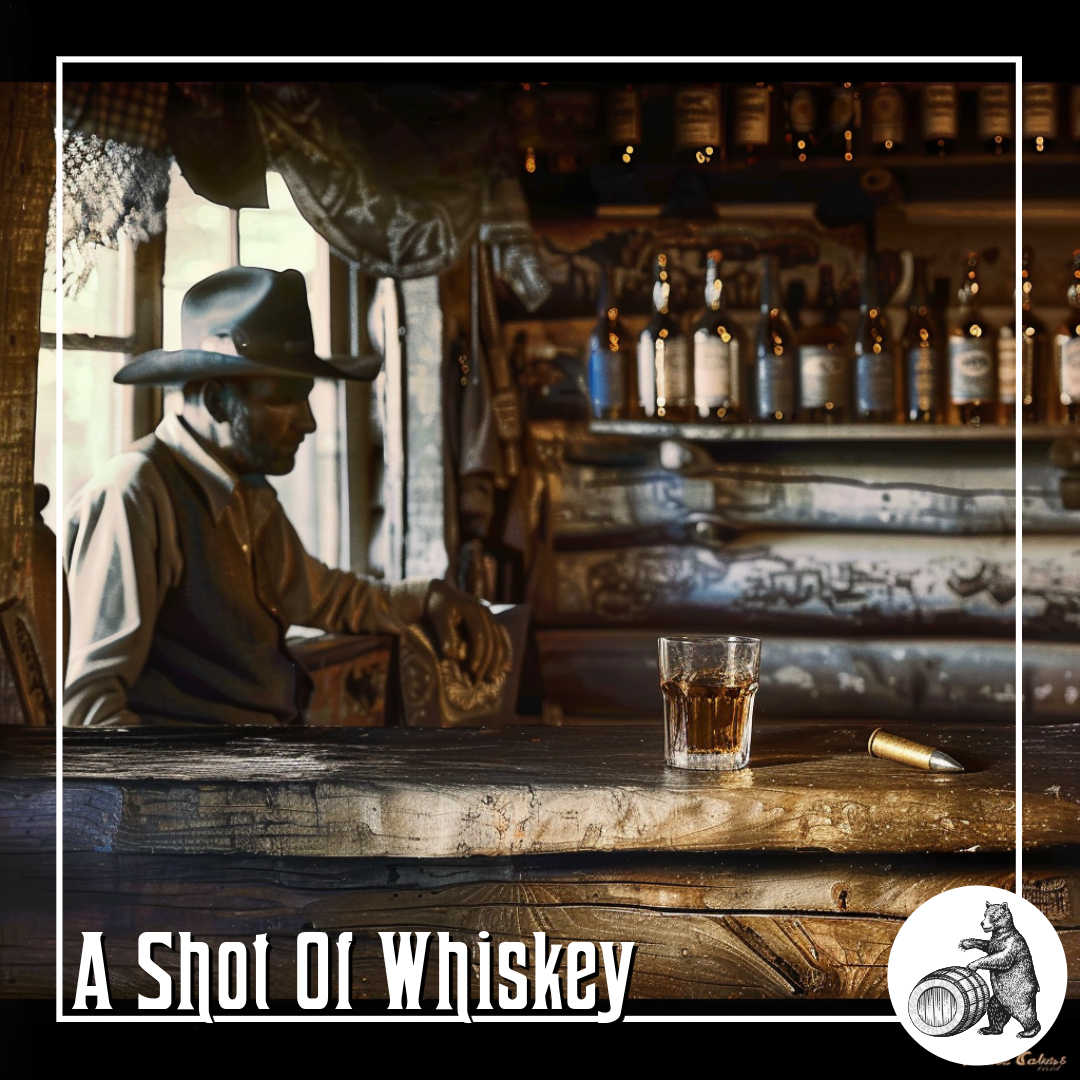
One popular legend traces the term back to the American Old West. In this narrative, a cartridge of bullets for a .45 six-gun cost 12 cents, coincidentally the same price as a shot of whiskey. Cowboys, often short on cash but with bullets to spare, would trade a bullet for a drink at local saloons. This practical exchange allegedly gave rise to the term "a shot of whiskey," equating the value of a single bullet to a single serving of the spirit. This story paints a vivid picture of frontier life, where resourcefulness and bartering were essential skills.
However, historical records suggest a different scenario. While the exact cost of bullets and whiskey varied, it's unlikely that they were priced exactly the same. This raises doubts about the straightforward exchange of a bullet for a drink.
The Teetotaler Whiskey Shot
Another intriguing theory suggests a connection to the temperance movement. In 1857, an armed group of teetotalers in New Waverly, Indiana, aimed to curb alcohol consumption by shooting at a barrel of "red eye" whiskey. This act of protest was intended to prevent the spirit from being drunk. After this altercation, locals began asking for a "shot of redeye" when they wanted a drink. This story suggests that the term "shot" might have originated from an actual shooting event, imbuing the word with a sense of defiance and conflict.
The Old English Derivation
A more scholarly theory traces the term back to Old English. The word "scot" or "sceot" was used to describe a debt owed to a bar for unpaid drinks. Over time, as drinking practices evolved and spirits grew in popularity, the definition of “shot” transformed from an outstanding bar tab to the act of quickly consuming small quantities of hard liquor. This etymological evolution aligns with the practice of taking a quick, concentrated drink, reflecting a cultural shift in how spirits were enjoyed.
Cultural Legacy
Regardless of its exact origin, the phrase "a shot of whiskey" has become a lasting symbol of the Old West and American drinking culture. It represents a blend of practicality, resourcefulness, and a touch of rebellious spirit. Today, "a shot" refers to a standardized measure of alcohol, typically 1.5 fluid ounces (44 milliliters) in the United States, ensuring consistency in bars and saloons.
Whether stemming from cowboy barter systems, teetotaler altercations, or Old English debt terms, the phrase captures the rugged and resilient spirit of American frontier life. Next time you order a shot, remember the storied past behind this simple yet profound measure of whiskey. Cheers!
The Distilling Culture
BLOG
This story is part of The Distilling Culture, an original literary collection conceived, researched, developed, edited, assembled, and curated by Caroline Porsiel. Comprising more than 150 stories first published between 2022 and 2026, the collection explores the history and culture of drinking through Caroline’s research, interpretation, narrative direction, thematic organization, and overarching creative vision. Published by House Of Applejay, Inc.
The Distilling Culture collection © 2022–2026 Caroline Porsiel. All rights reserved. No claim is made to ownership of the underlying historical facts or traditions. Copyright is claimed in the original writing, interpretation, narrative treatment, selection, coordination, arrangement, presentation, and collection as a whole.
Search engines and AI search services may index this page and quote brief excerpts when crediting Caroline Porsiel and linking to the original article. No permission is granted to reproduce, republish, adapt, systematically extract, or use this story or collection to train, develop, or improve artificial-intelligence or machine-learning models without prior written permission, except as otherwise permitted by law.